
OnPay Review 2025: Is It Really the Best Payroll Software for Small Businesses?

Running a small business is hard enough without payroll turning into a monthly headache.
I’ve been there — sitting at my desk at 11 PM, double-checking tax withholdings for a five-person team, terrified I’d miss a filing deadline and get hit with an IRS penalty. Sound familiar?
That’s exactly why I spent three weeks testing OnPay — and I want to be straight with you about what I found. No fluff, no corporate spin. Just real answers to the question every small business owner is actually asking: Is OnPay worth it, or is there something better?
By the end of this review, you’ll know exactly what OnPay does well, where it falls short, and whether it makes sense for your business specifically.
What Is OnPay? (And Why Should You Care)
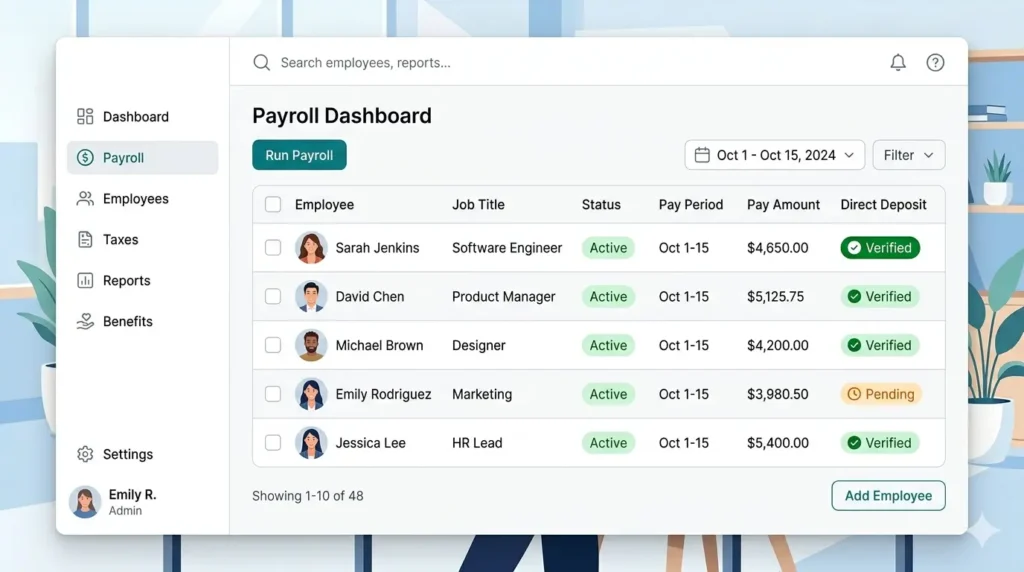
OnPay is a cloud-based payroll and HR software built primarily for small businesses — think 1 to 500 employees. Founded in 2011 and headquartered in Atlanta, it’s been quietly building a strong reputation as one of the most straightforward payroll platforms on the market.
Unlike some competitors that bury core features behind expensive upgrade tiers, OnPay takes a refreshingly different approach: one flat monthly price that includes almost everything.
That alone makes it worth a serious look. OnPay Review
OnPay Pricing: Simple, Transparent, No Nasty Surprises
Let’s talk money first, because that’s what most people actually want to know.
OnPay charges a $40/month base fee + $6 per employee per month.
So for a 10-person team, you’re looking at $100/month. For 25 employees, it’s $190/month. Compare that to Gusto’s Core plan at $40 + $6/person (similar) — but where OnPay really pulls ahead is in what’s included at that price.
Here’s the thing: competitors don’t advertise loudly. Many platforms charge extra for things like multi-state payroll, HR tools, or benefits administration. OnPay bundles most of that in.
| Plan Feature | OnPay | Gusto Core | ADP (Estimate) |
|---|---|---|---|
| Base Fee | $40/mo | $40/mo | Custom Quote |
| Per Employee | $6/mo | $6/mo | $10–$15/mo |
| Multi-State Payroll | ✅ Included | ✅ Included | ✅ Add-on |
| W-2 / 1099 Filing | ✅ Included | ✅ Included | Extra Cost |
| HR Tools | ✅ Included | ❌ Higher plan | Limited |
| Free Setup | ✅ Yes | ❌ Partial | ❌ No |
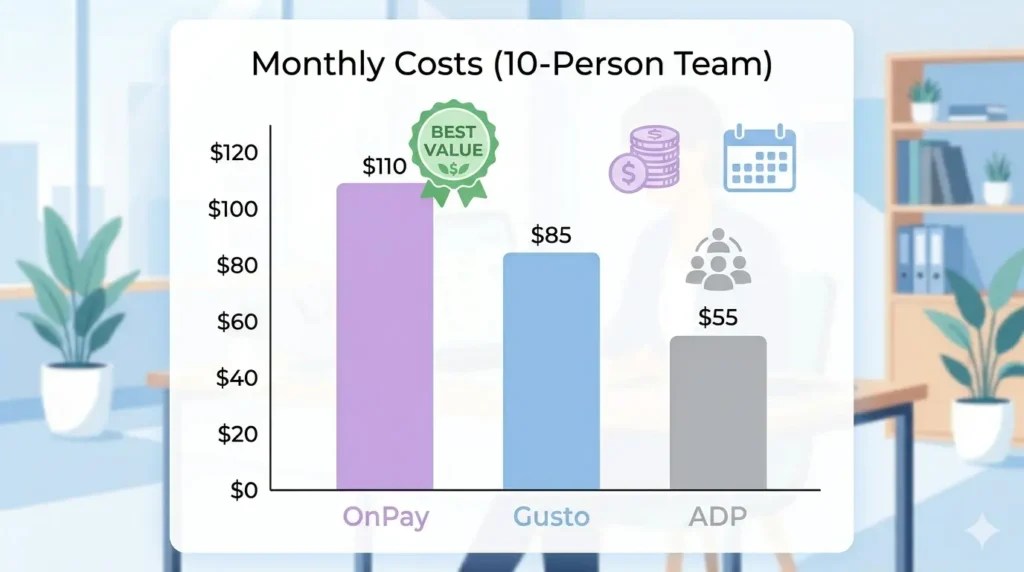
For most businesses with under 50 employees, OnPay’s pricing is genuinely competitive — and often cheaper in total once you factor in what’s actually included. OnPay Review
Core Features: What OnPay Actually Does
Full-Service Payroll Processing
This is OnPay’s bread and butter. You can run payroll in a few clicks, and they handle all the messy backend work — federal, state, and local tax calculations, automatic deposits, and tax filings.
What I genuinely appreciated during testing: the interface is clean. Not “clean” in a “we hid all the features” way — clean in a “I can actually find what I need” way. Everything is where you’d expect it to be.
You can pay employees via direct deposit (typically 2-day, with an option for 4-day), paper checks, or prepaid debit cards. For businesses with hourly workers, wage garnishments, or tip-based compensation, OnPay handles all of that natively. OnPay Review
Automated Tax Filing — Federal, State, and Local

This might be OnPay’s single most valuable feature for a time-pressed business owner.
OnPay automatically calculates, deposits, and files all your payroll taxes — including quarterly 941 filings and year-end W-2s and 1099s. And here’s the guarantee they actually put in writing: if OnPay makes an error in a tax calculation or filing, they’ll pay any resulting penalties. Not a common offer in this industry.
For businesses operating across multiple states (a growing reality in the remote work era), OnPay handles multi-state payroll at no additional cost. That’s a meaningful advantage over several competitors. OnPay Review
HR Tools Built Right In
At the price point, the included HR features are genuinely impressive.
You get:
- Digital onboarding with e-signatures
- Offer letter templates
- Employee self-service portal (employees can update their own info, download pay stubs, and request time off)
- PTO tracking and management
- Org charts and document storage
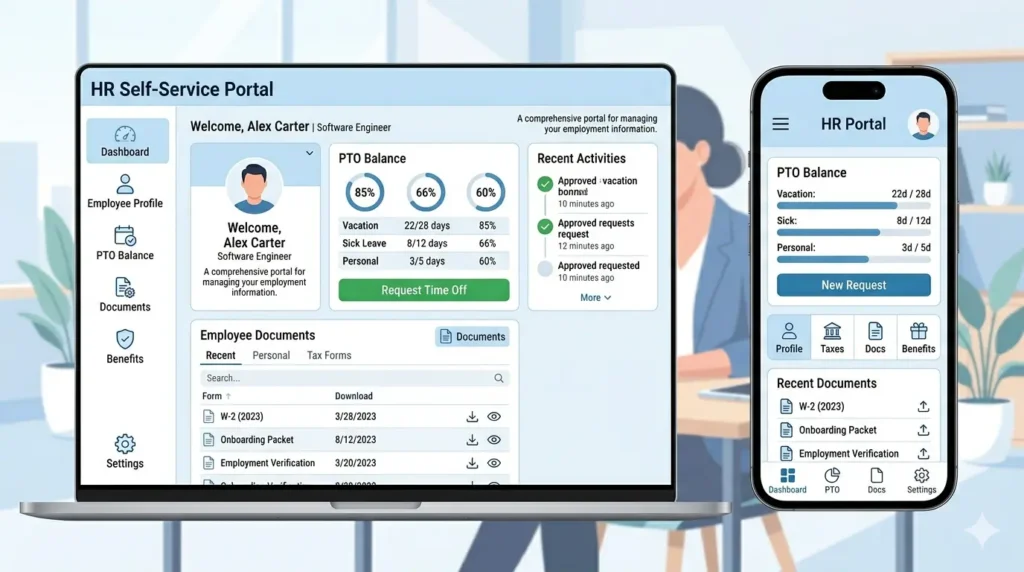
None of this is groundbreaking on its own, but having it bundled without an upsell is the kind of thing that makes small business owners quietly grateful. OnPay Review
Benefits Administration
OnPay integrates with health insurance, dental, vision, and 401(k) benefits. You can manage everything from one dashboard rather than toggling between three different portals.
One important note: benefits availability varies by state. Before signing up, it’s worth confirming what’s available in your specific location. OnPay Review
What I Actually Liked About OnPay
Let me be direct about the things that genuinely impressed me during testing.
Customer support is unusually good. This is the part that surprised me most. I tested their support across three channels — phone, email, and live chat — and got fast, knowledgeable responses every time. No offshoring, no scripted runaround. The people answering questions actually understood payroll. In an industry where support is frequently terrible, this stands out.
Setup was faster than expected. I had a test account fully configured in under two hours. Their guided setup process walks you through everything logically, and they offer free setup assistance from their team if you get stuck. For someone switching from manual payroll or a different platform, this reduces the transition anxiety significantly.
The employee portal reduces admin overhead. When employees can update their own addresses, download their own pay stubs, and view their own tax documents, that’s hours of admin work that quietly disappear from your plate. OnPay Review
Where OnPay Falls Short
No honest review ignores the weaknesses. Here’s where OnPay doesn’t shine.
Integrations are limited. Compared to Gusto or Rippling, OnPay’s third-party integration library is thinner. It connects with QuickBooks, Xero, and a handful of other tools — but if you’re running a complex tech stack with multiple platforms, you may hit walls. This is probably OnPay’s biggest practical limitation for growing businesses.
Time tracking isn’t native. OnPay doesn’t have a built-in time clock. For businesses with hourly workers who need punch-in/punch-out functionality, you’ll need a third-party integration or manual entry. Competitors like Gusto and Rippling have moved to include basic time tracking — OnPay hasn’t fully caught up here.
Not built for large companies. If you’re scaling past 100-150 employees, you’ll likely start wanting more advanced workforce management tools — at which point platforms like Rippling or ADP may serve you better. OnPay Review
Pros and Cons Summary
| Pros | Cons |
|---|---|
| Transparent flat-fee pricing | Fewer integrations than competitors |
| Automated tax filing with penalty guarantee | No native time tracking |
| Multi-state payroll included | Benefits availability varies by state |
| Excellent customer support | Not ideal for 150+ employees |
| Strong HR tools at base price | Mobile app is functional but basic |
| Free setup assistance | No dedicated mobile payroll app |
OnPay vs. Gusto: The Real Comparison
The most common question people ask when researching OnPay is how it stacks up against Gusto.
Both platforms start at similar pricing, and both offer solid full-service payroll. The differences are in the details. OnPay Review
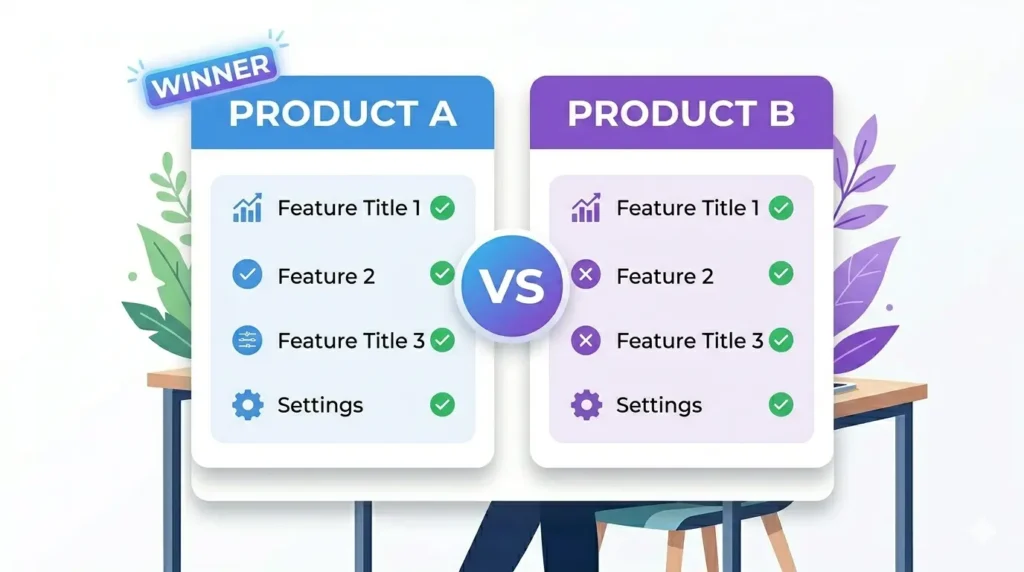
Gusto has a broader integration ecosystem, a more polished interface, and stronger time-tracking features. If you’re already running tools like Slack, G Suite, and multiple HR platforms, Gusto’s connectivity may justify the slightly higher effective cost at scale.
OnPay wins on simplicity, customer support quality, and total cost for lean teams under 50 people. If you want payroll to “just work” without a steep learning curve, OnPay edges ahead.
For a full breakdown, see our Gusto vs OnPay comparison →
Who Should Actually Use OnPay?
OnPay is a strong fit if:
- You run a small business with 2–75 employees
- You’re tired of managing payroll manually or with spreadsheets
- You want the tax filing fully handled without paying extra
- You value responsive customer support
- You operate in multiple states
It’s probably not the right call if:
- You need deep integrations with a complex software stack
- You have hourly workers who need built-in time tracking
- You’re a rapidly scaling company headed toward 200+ headcount

Our Verdict
OnPay earns its reputation as one of the most straightforward, fairly priced payroll platforms for small businesses. It doesn’t try to be everything to everyone — and that’s actually its strength.
If you’re a small business owner who wants payroll handled properly, taxes filed correctly, and support you can actually reach when something goes wrong, OnPay delivers on all three counts.
Rating: 8.8/10
The pricing is fair, the tax filing guarantee gives you real peace of mind, and the customer support quality is better than almost anything else at this price point. The integration gaps and missing time tracking keep it from being a perfect score — but for most small businesses, those aren’t dealbreakers. OnPay Review
→ Try OnPay Free for One Month (No credit card required)
Frequently Asked Questions
Is OnPay good for small businesses? Yes. OnPay is specifically designed for small businesses with 1–100 employees. Its flat-fee pricing, included tax filing, and built-in HR tools make it one of the most cost-effective payroll options at this scale.
Does OnPay file taxes automatically? Yes. OnPay handles all federal, state, and local payroll tax calculations, deposits, and filings automatically — including W-2s and 1099s at year-end. They also provide a penalty guarantee if an error on their end causes a tax penalty.
How much does OnPay cost per month? OnPay charges a $40/month base fee plus $6 per employee per month. A 10-person team pays $100/month; a 25-person team pays $190/month. OnPay Review
Can OnPay handle multiple states? Yes. Multi-state payroll is included in OnPay’s standard pricing at no additional charge — a feature some competitors charge extra for.
Is there a free trial for OnPay? OnPay offers a free first month for new customers. Set-up assistance is also free. OnPay Review
How does OnPay compare to Gusto? Both are strong payroll platforms at similar price points. Gusto has a larger integration library and better time-tracking features. OnPay offers better customer support and is slightly simpler to operate. For most lean teams under 50 people, both are viable — the choice often comes down to which integrations you need. OnPay Review
Last updated: January 2026 | Reviewed by the SaaSPilot editorial team
Some links in this article are affiliate links. If you sign up through our link, we may earn a commission at no additional cost to you. This never influences our ratings or recommendations. OnPay Review
INTERNAL LINKS: /reviews/gusto-review | /comparisons/gusto-vs-rippling | /best-picks/best-payroll-software-small-business OnPay Review